
How To Plan, Design and Build a Custom Trade Show Booth
A custom trade show booth is a long-term marketing asset, not a single-show purchase. Done well, it earns its way back across multiple events through better leads, stronger brand presence, and a meeting space attendees actually want to step into. Done poorly, it becomes a six-figure crate that sits in a warehouse between shows and never quite represents the brand the way leadership wanted.
If you’re already ready to chat with the Viper team, please call 847.426.3100 or you can send us a message by filling out the form found on this page, and we will contact you as soon as possible.
What Custom Should Mean
The term “custom” gets stretched in the trade show industry. Some vendors call any branded booth custom, even when it is built entirely from off-the-shelf parts.
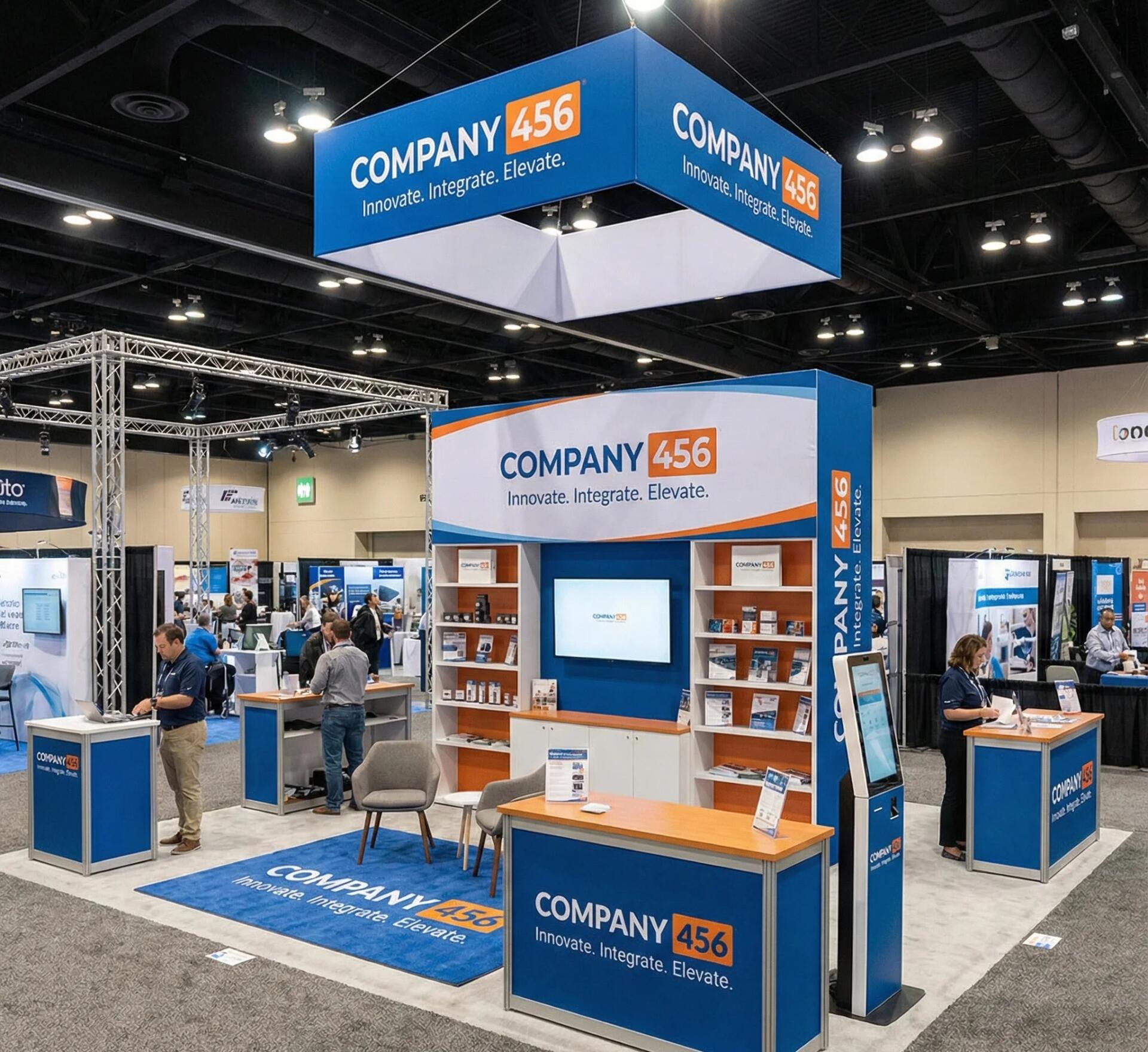
A genuinely custom trade show booth is designed from the ground up around your brand, your product, and the specific way you want attendees to experience your space.
Walls, structural elements, counters, kiosks, lighting, and millwork are fabricated to your specification, not pulled from a generic kit.
That does not mean every component is built one-time-only. Smart custom builds combine bespoke architectural elements with proven structural systems for durability, transport, and reconfigurability.
The result is a booth that looks one of a kind on the show floor but holds up to repeated installation across a multi-year program.
Custom Trade Shows Displays vs. Modular Systems vs. Rentals
Before commissioning a custom build, it is worth being honest about whether custom is the right answer.
There are three main paths, and the decision usually comes down to volume, brand stakes, and how often the design needs to change.
Custom trade show displays
Highest upfront investment.
Designed and fabricated specifically for your brand. Best for exhibitors who run a flagship show or a recurring set of major shows where the booth is a meaningful part of the brand experience.
Lifespan is typically five to eight years before a refresh is needed.
Modular trade show displays
Mid-tier investment. Built from reconfigurable structural systems with custom graphics layered on top.
Best for exhibitors who exhibit frequently across different booth sizes (10×10 one show, 20×20 the next) and want to reuse the same components in different configurations. Modular is also the underlying chassis for many premium rentals.
Rentals
Lowest upfront investment. Pulled from a contractor’s inventory and rebranded with your graphics.
Best for new exhibitors, market tests, or exhibitors with sporadic show schedules. Rentals can include some custom elements but rarely match the design depth of a true custom build.
If your team exhibits at five or more shows per year, runs a major flagship event, or competes in an industry where your booth is benchmarked against the largest companies in your sector, custom is usually the right answer.
Below that volume, modular or premium rental often delivers better return on investment.
The Custom Trade Shows Designs Process
A real custom trade show booth design process moves through five distinct phases. Skipping or compressing any of them is the single most common reason booths under-perform.
Phase 1: Discovery and brief
The design team should spend real time understanding your business, your buyer, your competitive set, the specific shows on your calendar, your product demonstration needs, and how your sales team works on the floor. The deliverable from this phase is a written design brief that defines objectives, footprint, must-have features, and budget range.
Phase 2: Concept design
The design team produces two or three concept directions, typically as line drawings or rough renderings. Each concept reflects a different approach to your brief. This is the phase where you compare ideas, push back on what is not working, and align internally before any detailed design work happens. Expect at least one round of revisions before moving forward.
Phase 3: Detailed design and engineering
Once a direction is selected, the team builds detailed renderings, floor plans, structural engineering drawings, electrical layouts, and graphics specifications. Photo-realistic renderings let you walk leadership and sales stakeholders through the booth before any material is cut. Engineering drawings ensure the booth meets venue requirements (weight limits on hanging signs, electrical capacity, fire codes).
Phase 4: Fabrication
Trade show booth fabrication happens in a dedicated shop with carpentry, metalwork, paint, large-format graphics, and quality control all under one roof. A reputable fabricator runs a pre-show set up in their shop so you can walk the booth before it ships. This catches problems while they are still cheap to fix.
Phase 5: Show execution and post-show review
Installation, dismantle, and on-site coordination happen as part of the build. After the show, a good partner schedules a debrief: what worked on the floor, what did not, what should change for the next show. That feedback loop is what keeps a multi-year custom program improving.
Custom Booths Budget Ranges
Pricing varies more than buyers expect, because custom genuinely means custom. That said, here are realistic planning benchmarks based on common project scopes.
- 10×10 custom booth: low five figures for a fully custom design with quality graphics, custom counter, and integrated AV. Smaller projects are sometimes better served by premium modular displays at this footprint.
- 10×20 custom booth: mid-five figures for a fully custom build with reception zone, meeting area, and custom millwork.
- 20×20 custom island: mid- to upper-five figures for design, fabrication, graphics, AV integration, and a hanging sign or tower. This is the sweet spot for most B2B brands taking custom seriously.
- 20×30 to 30×30 custom: low to mid-six figures depending on architectural complexity, materials, AV scope, and presentation theaters.
- Larger custom builds (40×40 and up): mid- to high-six figures, sometimes higher when the booth includes second-story decks, full theaters, or extensive integrated technology.
These ranges cover design and fabrication only. Show-by-show costs (freight, drayage, I&D, refresh graphics) are billed separately and recur each time you exhibit. A custom booth typically pays back over five to eight years of use, so amortizing the investment across that lifespan is the right way to evaluate it.
Ready to elevate your next exhibition experience? If you’re ready to chat with the Viper team, please call 847.426.3100 or you can send us a message by filling out the form found on this page, and we will contact you as soon as possible.
How Long A Custom Trade Show Booth Takes To Create Typically
Lead times vary by scope, but here is a realistic timeline for a typical custom 20×20 island:
- Discovery and brief: 1 to 2 weeks
- Concept design and revisions: 2 to 4 weeks
- Detailed design, engineering, and final approval: 3 to 4 weeks
- Fabrication: 4 to 8 weeks
- Pre-show set up at fabricator: 1 week
- Shipping, drayage, and on-site I&D: scheduled around show move-in dates
Total elapsed time from kickoff to first show: typically 12 to 16 weeks, sometimes longer for complex builds.
Larger custom exhibits with second-story structures or extensive AV can stretch to 20 weeks.
Booking at least four to six months out is standard practice for any meaningful custom project. Inside that window, you are paying rush surcharges or accepting compromises.
What Makes For A Performing Trade Show Floor Booth
The best custom trade show displays are designed against specific performance criteria, not just aesthetic ones.
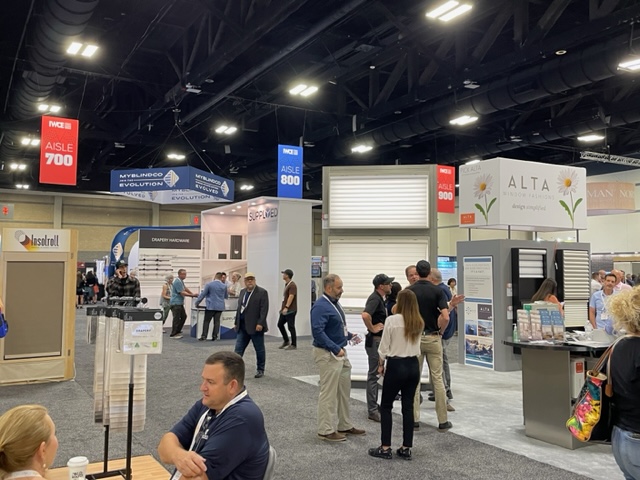
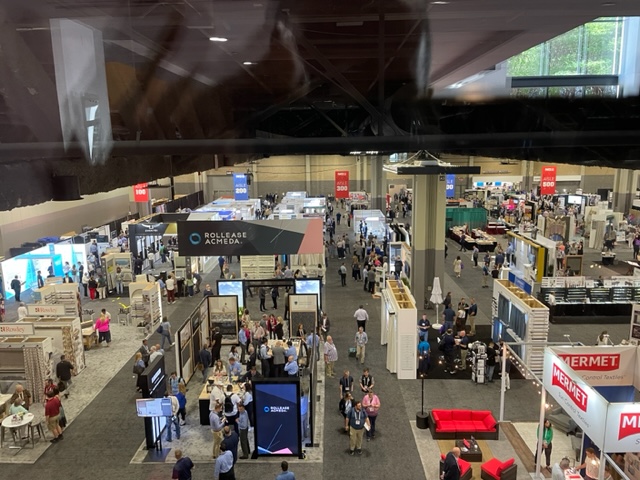
- Sight lines: the booth has to be visible and recognizable from across the hall. That means tall focal elements, hanging signs on islands, and brand identity visible from at least 30 feet away.
- Foot traffic flow: the layout invites attendees to step in, with clear pathways, no “closed off” feeling, and natural pause points where a sales conversation can happen.
- Demonstration zones: if your product demos well, the booth dedicates space to a demo station that draws crowds and creates social proof.
- Meeting space: private or semi-private areas where qualified leads can sit down with sales without competing with show-floor noise.
- Lighting: purposeful lighting that highlights focal points and makes the booth feel premium, especially under harsh convention center fluorescents.
- Brand integrity: every surface, color, and graphic ladders back to a coherent brand experience. Cluttered booths with mismatched messaging underperform across every metric.
Getting Multiple Uses Out of One Custom Show Booth
A custom trade show booth should be designed from day one for a multi-show program. That means:
- Modular sub-assemblies that can be reconfigured into different footprints (a 20×20 island that breaks down into a 10×20 inline, for example).
- Replaceable graphics so the booth can refresh without rebuilding.
- Durable finishes that survive repeated install and dismantle.
- Crating designed for efficient freight rather than ad-hoc packing.
- Full-service storage between shows so the booth is ready to deploy.
With those design choices in place, a single custom build can run a full national show calendar for years before needing a refresh. That is the math that makes custom worth the upfront investment.
Our Custom Trade Show Offering Sample
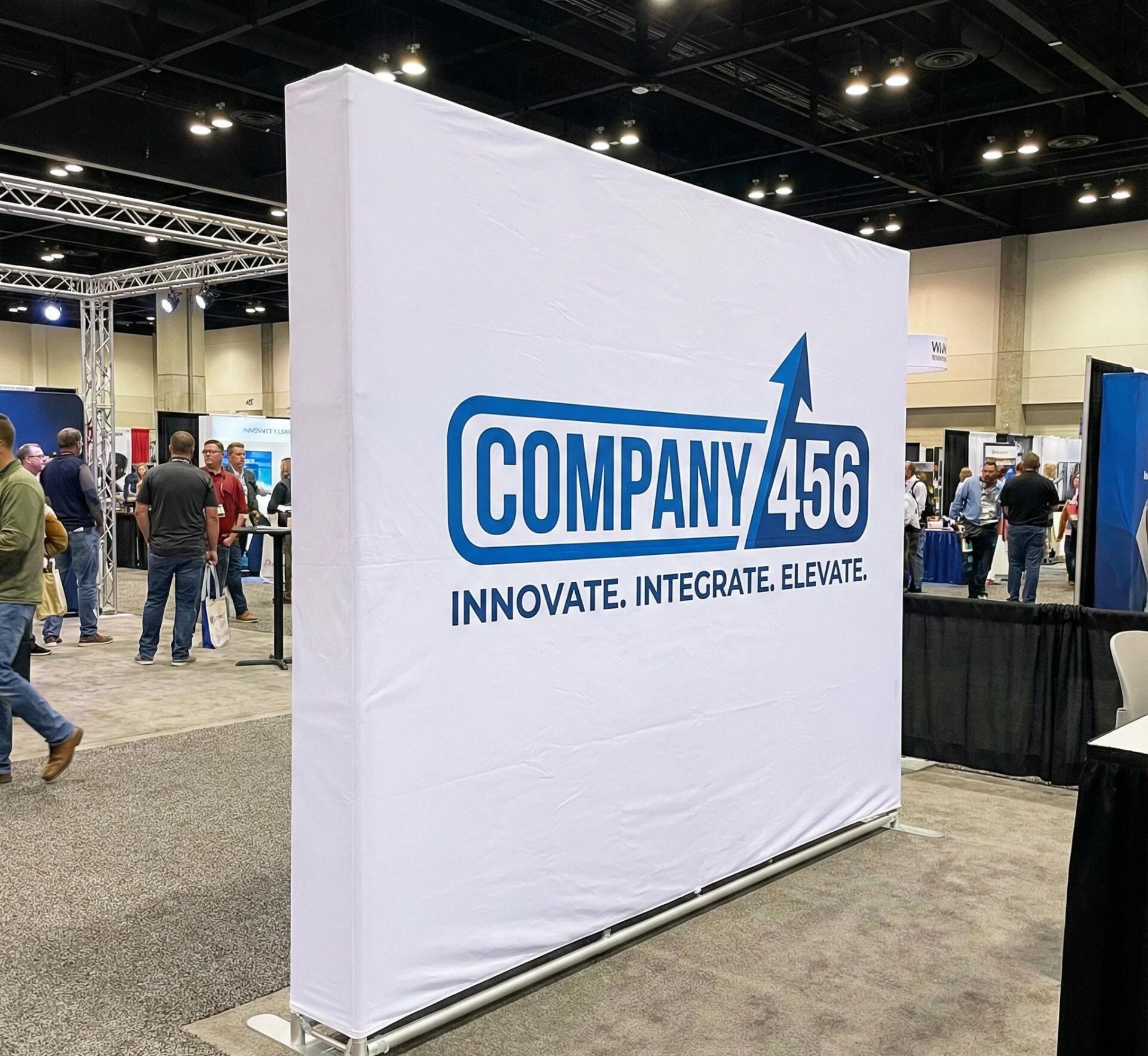
Custom Backdrops
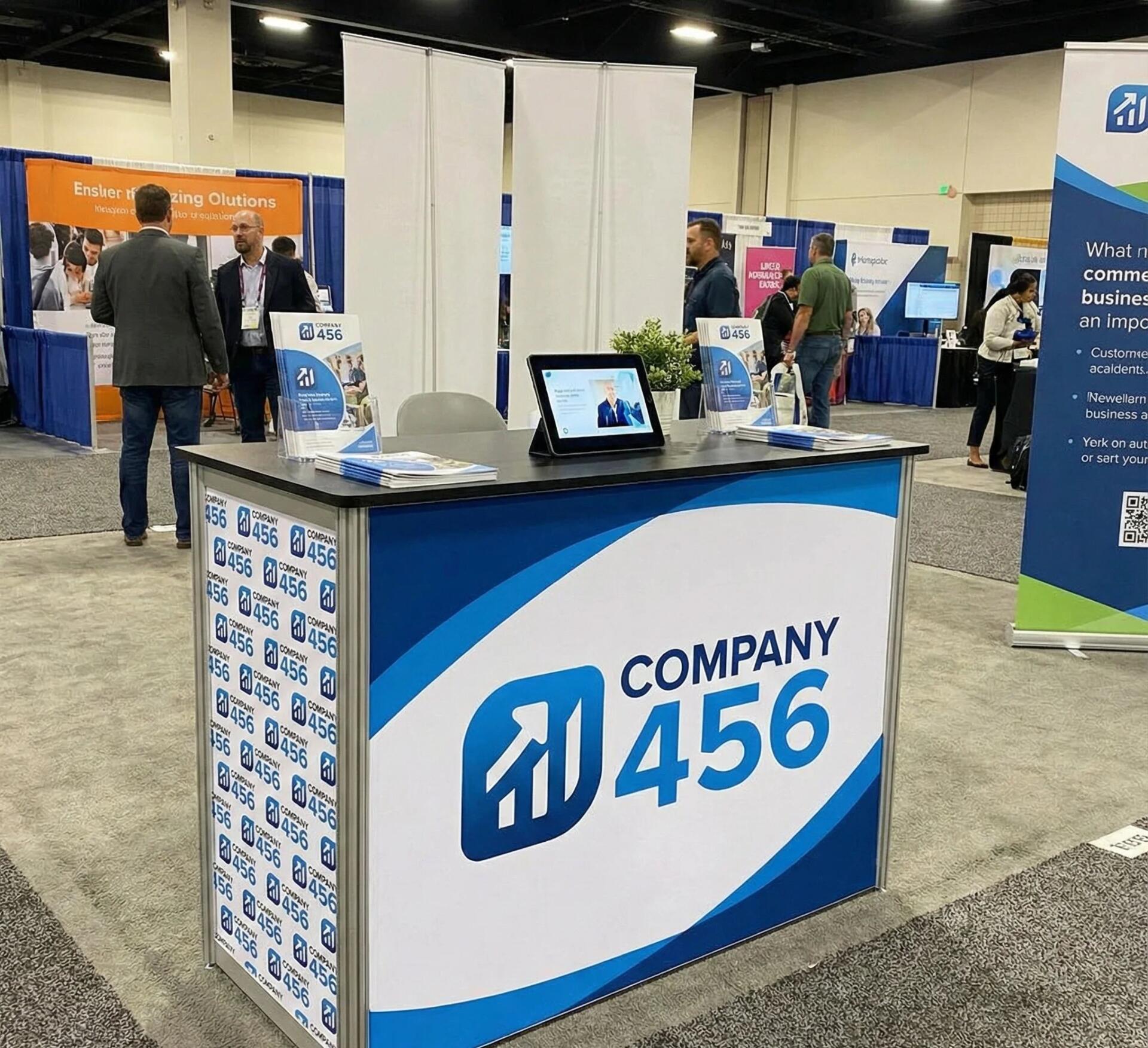
Custom Counters and Desks
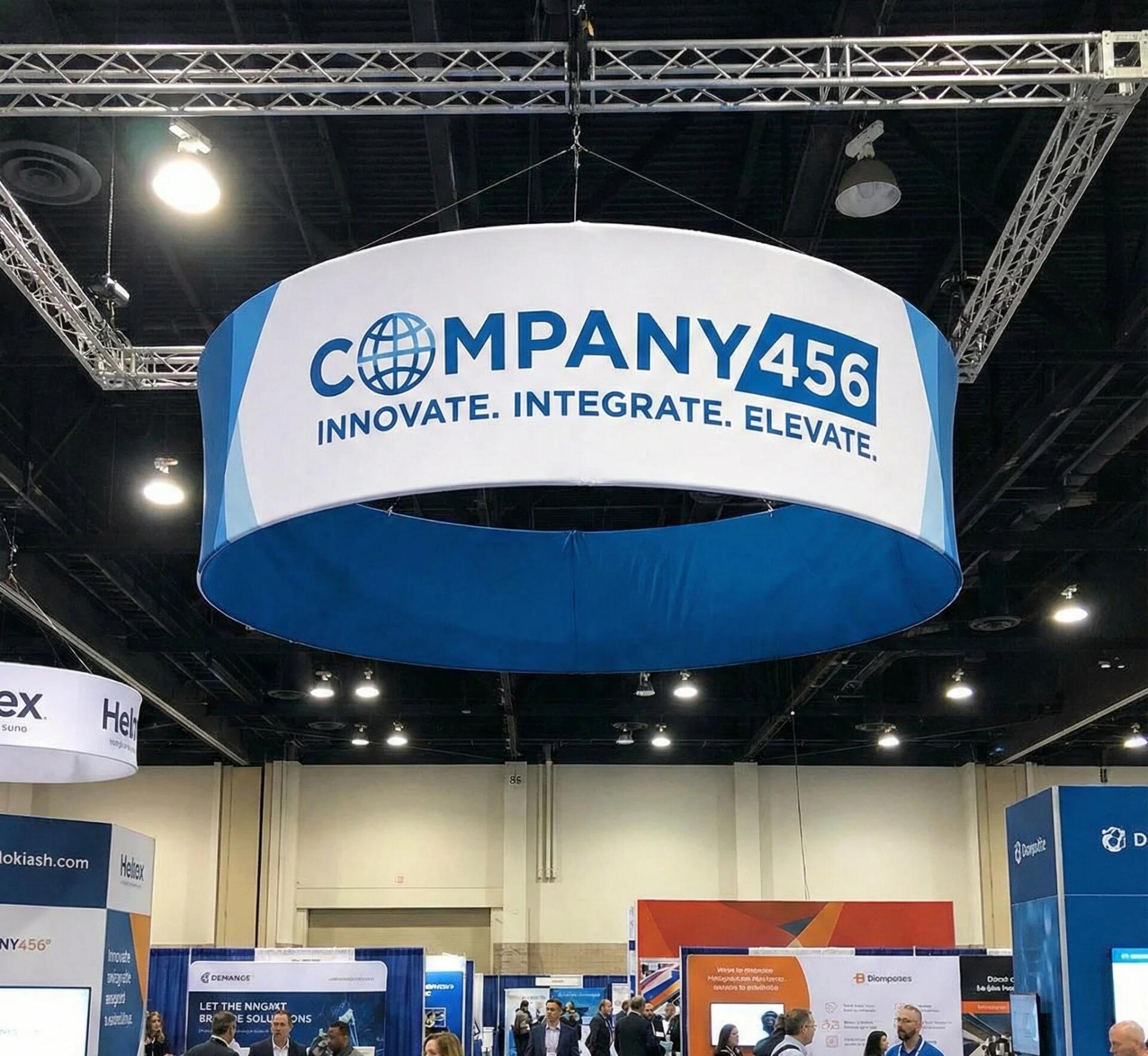
Custom Signage
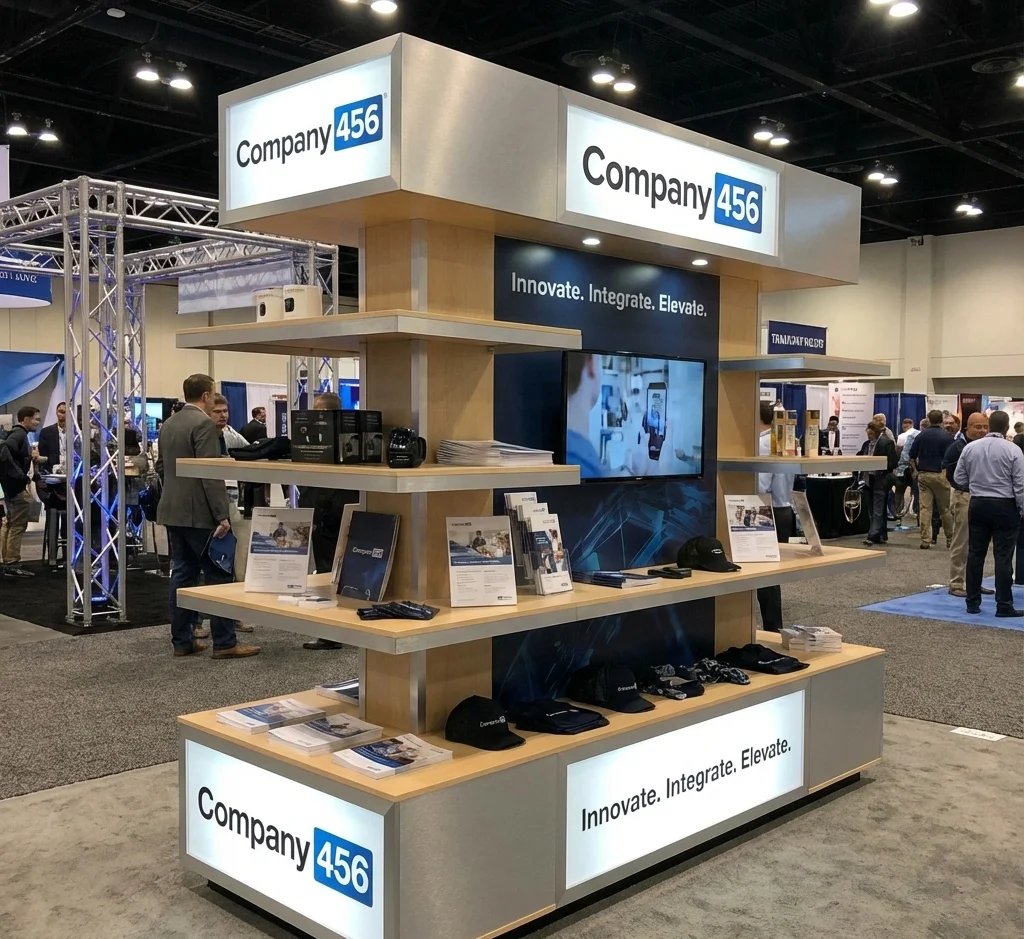
Custom Displays and Shelving
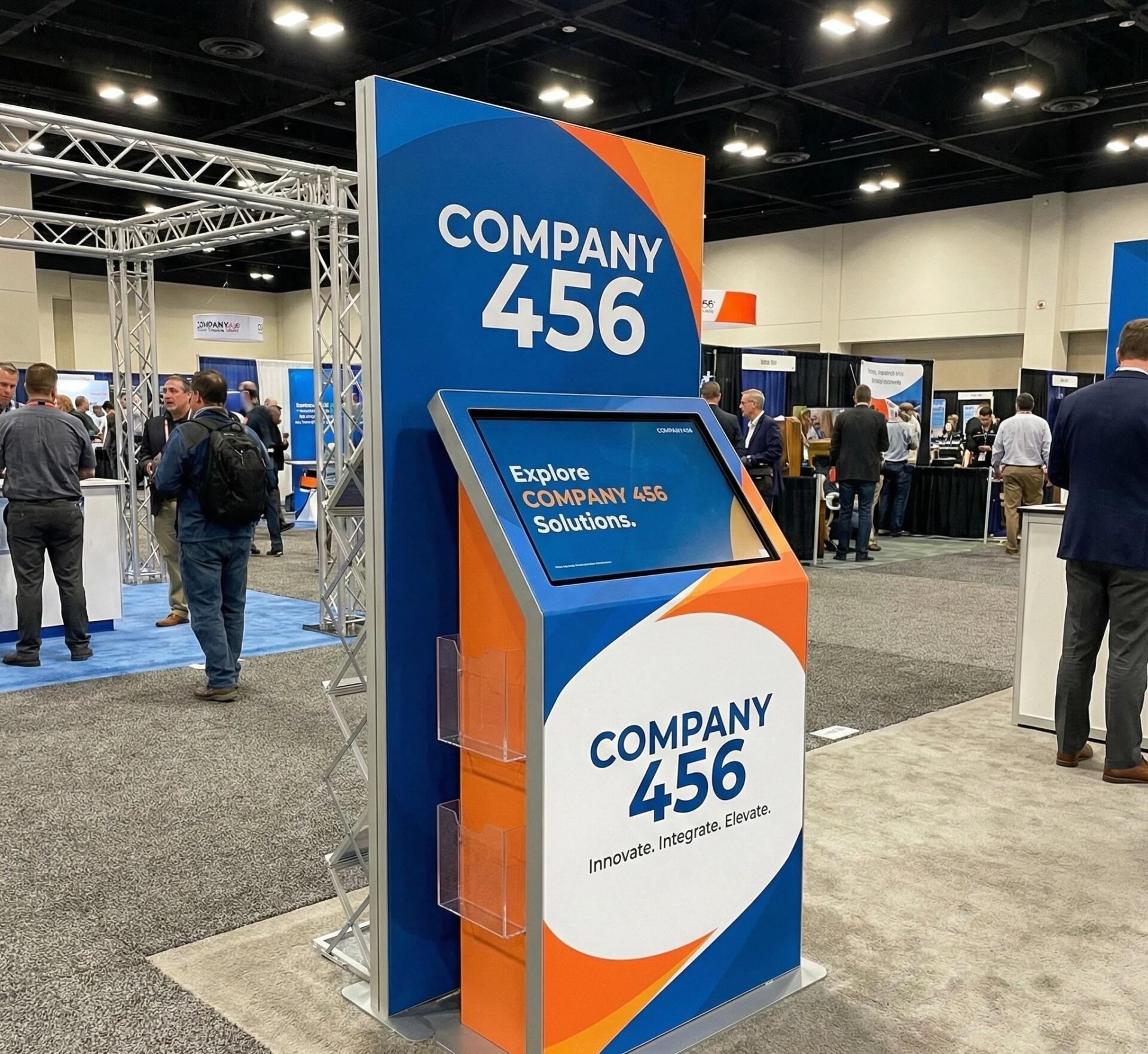
Custom Kiosks
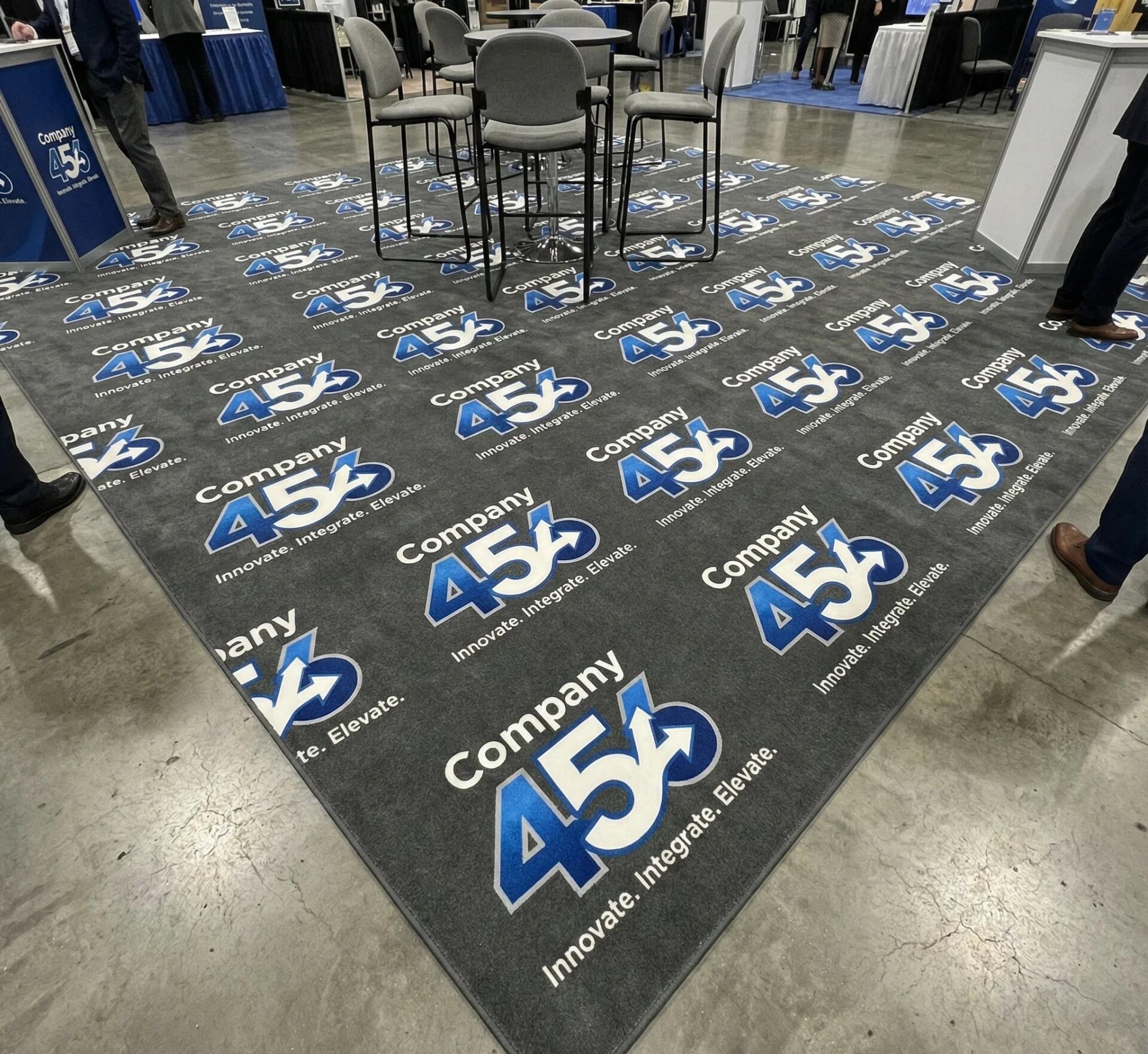
Custom Flooring
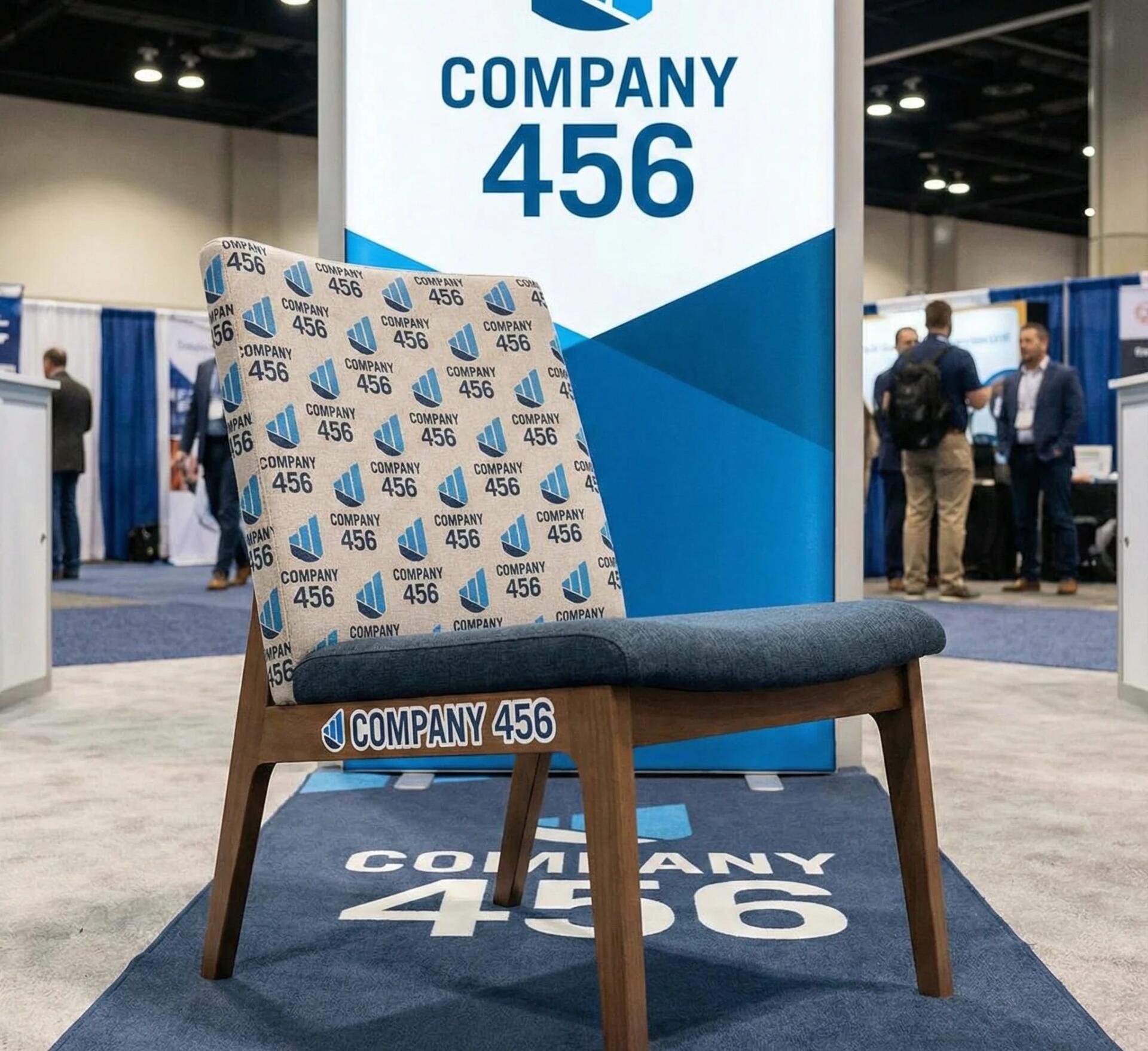
Custom Furniture
And More!
Our Location
Our Clients Love Us!
Take the Next Step – Let’s Talk Logistics!
Every detail matters and your exhibit is your opportunity to stand out in a city built to impress. Let us help you create a stunning, functional, and unforgettable trade show exhibit that elevates your brand and delivers results. Call us at 847.426.3100 to connect with an exhibit specialist, or fill out the form on this page and we’ll contact you to discuss your upcoming Kansas City event.

